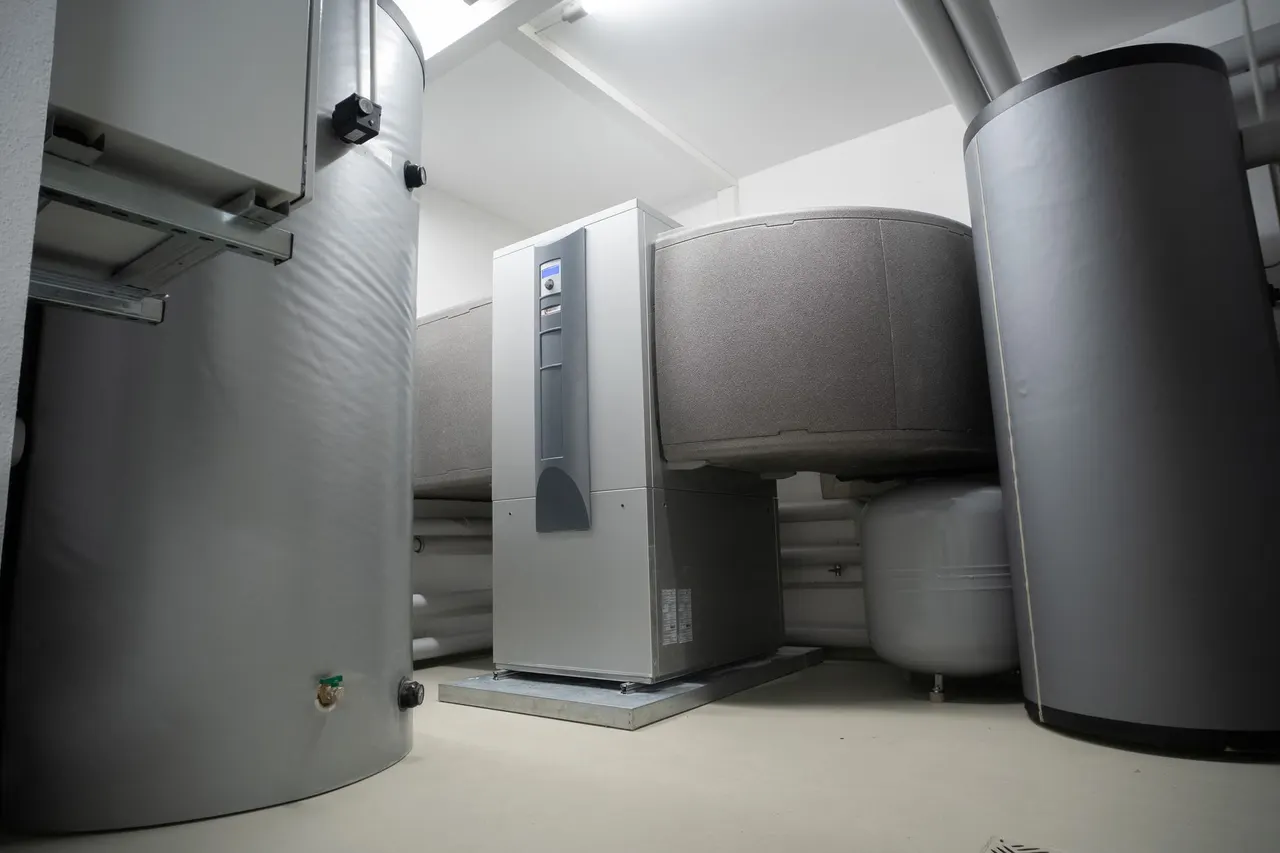
Furnace Repair
Furnace repair Des Moines IA done right the first time
When your furnace quits in the middle of an Iowa cold snap, you need furnace repair Des Moines IA homeowners can actually count on. We diagnose no-heat calls, failed igniters, cracked heat exchangers, and thermostat faults across Polk County, then fix them with code-correct parts and a written warranty. Whether it is a gas furnace repair Des Moines emergency at 2 a.m. or a planned tune-up, our team gets your heat back on fast.
Service overview
Furnace repair Des Moines IA, explained by working techs
Furnace repair Des Moines IA is the diagnostic and repair work that restores heat to a home's forced-air system, covering everything from a failed igniter or flame sensor to a blower motor, control board, inducer, or cracked heat exchanger. A proper call starts with a combustion analyzer and multimeter reading, not a guess. We test ignition sequence, gas pressure at the manifold gauge set, airflow, and temperature rise, then repair or replace the failed component and verify the system holds a safe, steady burn before we leave.
Des Moines winters routinely drop below zero, and a furnace that short-cycles at 10 degrees will fail completely at minus 10. Older Beaverdale and Sherman Hill homes with original ductwork often run uneven airflow in two-story layouts, which stresses the blower motor and shortens its life. If you are searching for furnace repair in Des Moines IA near me because your system is blowing cold air, our techs carry the parts to fix it on the first visit.
Practical benefits
Why Des Moines homeowners call us first
A no-heat call is stressful. Our job is to make it boring: show up when we say, find the real fault, and fix it with parts that hold up through an Iowa winter.
Same-day heat restored
Most no-heat calls in Des Moines get a same-day furnace repair Des Moines visit, and our trucks carry igniters, flame sensors, control boards, and blower motors for Carrier, Trane, Lennox, Goodman, Rheem, York, Bryant, and American Standard units. You are not waiting three days for a part order while the house drops below 60.
Diagnostics, not guessing
We test with a combustion analyzer, multimeter, and thermal imaging camera before quoting anything. That means you get a real answer on why your furnace is not heating, not a parts-swap experiment. If the heat exchanger is cracked, we show you the reading and explain your options in plain language.
Upfront pricing, no surprises
You approve the price before we touch a wrench. Typical 2026 furnace repair cost Des Moines Iowa ranges from $180 for a simple igniter swap to $1,400 for a blower motor and control board job. No trip-fee games, no upsell pressure, no mystery line items on the invoice.
Code-correct, warrantied work
Every repair is done to Iowa mechanical code and Des Moines building permit standards where applicable, and backed by a written parts-and-labor warranty. Our techs hold NATE certification and EPA Section 608 certification, so the repair is done right the first time and holds up through the next polar vortex.
How service works
What to expect on a furnace repair call
Five steps, no mystery. Here is exactly how a furnace repair visit runs from the moment you call until the heat is back on and you have a written record of what we did.
STEP 01
Call and dispatch
You call 515-876-5435 and talk to a real person, not a call center. We ask what the furnace is doing, how old it is, and whether you smell gas. For emergency furnace repair Des Moines calls, we dispatch the nearest truck, usually within 60 to 90 minutes for no-heat situations in Polk County.
Tools and methods
Tools and methods we use on every call
Combustion analyzer
Reads carbon monoxide, oxygen, and flue temperature on gas furnaces. It is how we verify a safe burn and catch a cracked heat exchanger before it becomes a health hazard.
Multimeter
Tests voltage, continuity, and amp draw on igniters, flame sensors, control boards, blower motors, and gas valves. It is the first tool out of the bag on any no-heat call.
Thermal imaging camera
Shows temperature differences across the heat exchanger and ductwork. It is how we spot cracks, hot spots, and duct leaks that are invisible to the naked eye.
Manifold gauge set
Measures gas pressure at the manifold and verifies the furnace is running at the manufacturer's specified input. Incorrect gas pressure causes sooting, short-cycling, and premature failure.
Duct pressure gauge
Reads static pressure in the supply and return ducts. High static pressure means restricted airflow, which stresses the blower motor and shortens its life.
Leak detector
Sniffs for gas leaks at fittings and valves before and after any repair. Every gas-side job ends with a leak check, no exceptions.
Fin comb and coil cleaning pump sprayer
Straightens bent condenser and evaporator fins and cleans coils on the cooling side. Dirty coils raise head pressure and reduce efficiency on AC paired with your furnace.
NATE-certified diagnostics
Every tech on our team holds NATE certification, which means they have passed industry testing on heating, airflow, and electrical diagnostics. It is not a marketing badge; it is a baseline for how we approach every call.
EPA Section 608 compliance
Any work on the refrigerant side of a heat pump or AC paired with your furnace is done under EPA Section 608 rules. That covers recovery, handling, and disposal of R-410A and R-32 refrigerant.
ACCA Manual J and Manual D
When a repair turns into a replacement, we size the new system with ACCA Manual J for load and design ductwork with ACCA Manual D. It is how we avoid oversizing, which causes short-cycling and comfort problems.
Iowa mechanical code and Des Moines permits
Repairs and replacements are done to Iowa mechanical code, and we pull Des Moines building permits when the scope requires it. That protects you at resale and keeps the work insurable.
OSHA safety standards
Gas work, electrical work, and rooftop or attic installations all follow OSHA safety standards. It protects our techs and your home, and it is not optional on any job we run.
Where this service fits
When Des Moines homeowners call us
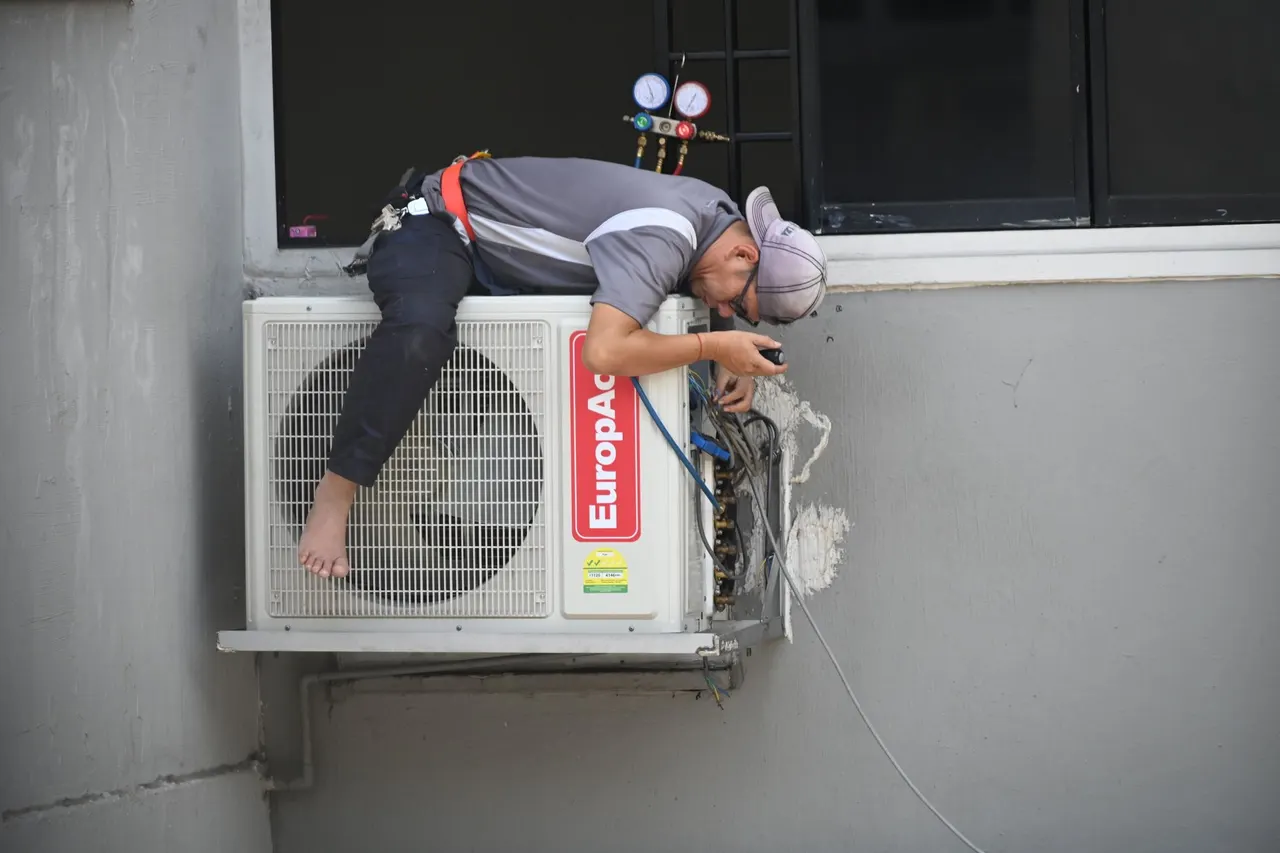
Furnace quits at 2 a.m. on a sub-zero night in January, house dropping fast.
We dispatch the nearest on-call tech through our 24/7 line. Most no-heat emergencies in Polk County get a truck on site within 60 to 90 minutes. The tech diagnoses, quotes upfront, and repairs on the spot whenever the part is on the truck. Heat restored the same night, usually within three hours of your call, with a written warranty on the repair.
Furnace is running but blowing cold air and the house will not get above 62 degrees.
We test the ignition sequence, blower motor, and airflow. Common culprits are a dirty flame sensor, a failing blower capacitor, or a clogged air filter choking the system. We fix the actual cause, not just the symptom. Temperature rise back within the manufacturer's spec, warm air at every register, and a filter change interval you can actually follow.
Older furnace in a Beaverdale or Sherman Hill home is short-cycling and the gas bill keeps climbing.
We run a full combustion analysis and inspect the heat exchanger. If the unit is 18 years or older with a cracked exchanger, we give you honest numbers on repair versus replacement, including high-efficiency options sized with ACCA Manual J. Either a repaired furnace running efficiently again or a new system installed to Iowa mechanical code with permits pulled and the old unit hauled away.
Upstairs is hot, downstairs is cold, and the furnace runs constantly trying to keep up.
We measure static pressure and airflow at each register, then check for crushed flex duct, disconnected runs, and leaky joints. Depending on what we find, we recommend duct repair, duct sealing with mastic sealant, or a zoning system. Balanced temperatures between floors, shorter run times, and lower energy bills within the first full month.
Local execution
How furnace repair runs in Des Moines
Des Moines winters are the real test. Lows regularly hit minus 10 to minus 20, and a furnace that short-cycles at 20 degrees will lock out completely at minus 10. That is why we prioritize no-heat calls during cold snaps and stock igniters, flame sensors, and blower motors on every truck. Older neighborhoods like Sherman Hill and Beaverdale have homes with original ductwork, undersized returns, and 1980s furnaces that need real diagnostics, not parts-swapping. Newer builds in Waterbury and Salisbury Oaks often have high-efficiency two-stage systems where a failed control board or inducer is the usual culprit. We also see a lot of heat pump and furnace combos where the heat pump is blowing cold air and the furnace is not picking up the second stage. Our techs work to Iowa mechanical code, pull Des Moines building permits when required, and follow ACCA Manual J and Manual D when a repair turns into a replacement. If you are searching for furnace repair in Des Moines IA near me during a cold snap, call early; our schedule fills fast once the temperature drops below zero.
Beaverdale
Many homes here have original ductwork with undersized returns. We often find crushed flex duct and disconnected runs causing uneven heating between floors.
Sherman Hill
Historic homes with retrofitted forced-air systems. Access to the furnace and ductwork can be tight, so we plan the repair route before we arrive.
East Village
A mix of condos and older homes. Rooftop and closet-mounted furnaces are common, and we carry the equipment to work in tight spaces.
Waterbury
Newer high-efficiency systems with two-stage or modulating furnaces. Control board and inducer failures are the most common no-heat calls here.
Drake Neighborhood
Rental properties and older homes with a wide range of furnace ages. We handle everything from 1980s standing-pilot units to modern 96 percent AFUE systems.
Sub-zero cold snaps in January and February
Furnaces run nonstop and any weak component fails. We staff extra on-call techs during cold snaps and prioritize no-heat calls so nobody waits overnight without heat.
Older housing stock with original ductwork
Restricted airflow from undersized or crushed ducts stresses blower motors and causes uneven heating. We measure static pressure and airflow on every call to catch it.
Dry winter air and static electricity
Low indoor humidity dries out wood and increases static, which can damage control boards. We often recommend a whole-home humidifier alongside the furnace repair.
High-efficiency condensing furnaces and PVC venting
Condensate lines can freeze in extreme cold, causing lockouts. We check the trap, drain line, and vent slope on every high-efficiency furnace call.
Problems we solve
Furnace problems we fix in Des Moines
Most no-heat calls fall into a handful of categories. Here are the ones we see most often in Des Moines homes, what happens if you ignore them, and how we fix them.
Furnace not igniting or short-cycling
We test the igniter, flame sensor, gas valve, and pressure switch with a multimeter, then replace the failed component. Most igniter and flame sensor repairs are finished in under two hours and cost $180 to $350. A furnace that clicks but never lights will eventually lock out entirely, leaving you with no heat on the coldest night of the year. Repeated short-cycling also wears out the inducer and control board.
Blowing cold air or weak airflow
We check blower motor amp draw, capacitor readings, and duct static pressure. If the motor is failing, we replace it with an OEM-equivalent and verify airflow at every register before we leave. Cold air from the vents usually means the blower motor, capacitor, or control board is failing, or the ductwork is restricted. Left alone, the blower motor can seize and take the control board with it.
Cracked heat exchanger or CO concern
We inspect the heat exchanger with a thermal imaging camera and combustion analyzer. If it is cracked, we show you the evidence and give you honest numbers on repair versus replacement, including financing options if you want them. A cracked heat exchanger can leak carbon monoxide into your home, which is a serious safety issue. It also usually means the furnace is near end of life and further repairs are not worth the money.
Uneven heating in two-story homes
We measure airflow at each register, check for crushed flex duct and disconnected runs, and recommend duct repair, duct sealing, or a zoning system depending on what the readings show. Most homes see a real improvement after balancing. Upstairs hot, downstairs cold is common in older Des Moines homes with original ductwork. It forces the furnace to run longer, raises energy bills, and wears out the blower faster.
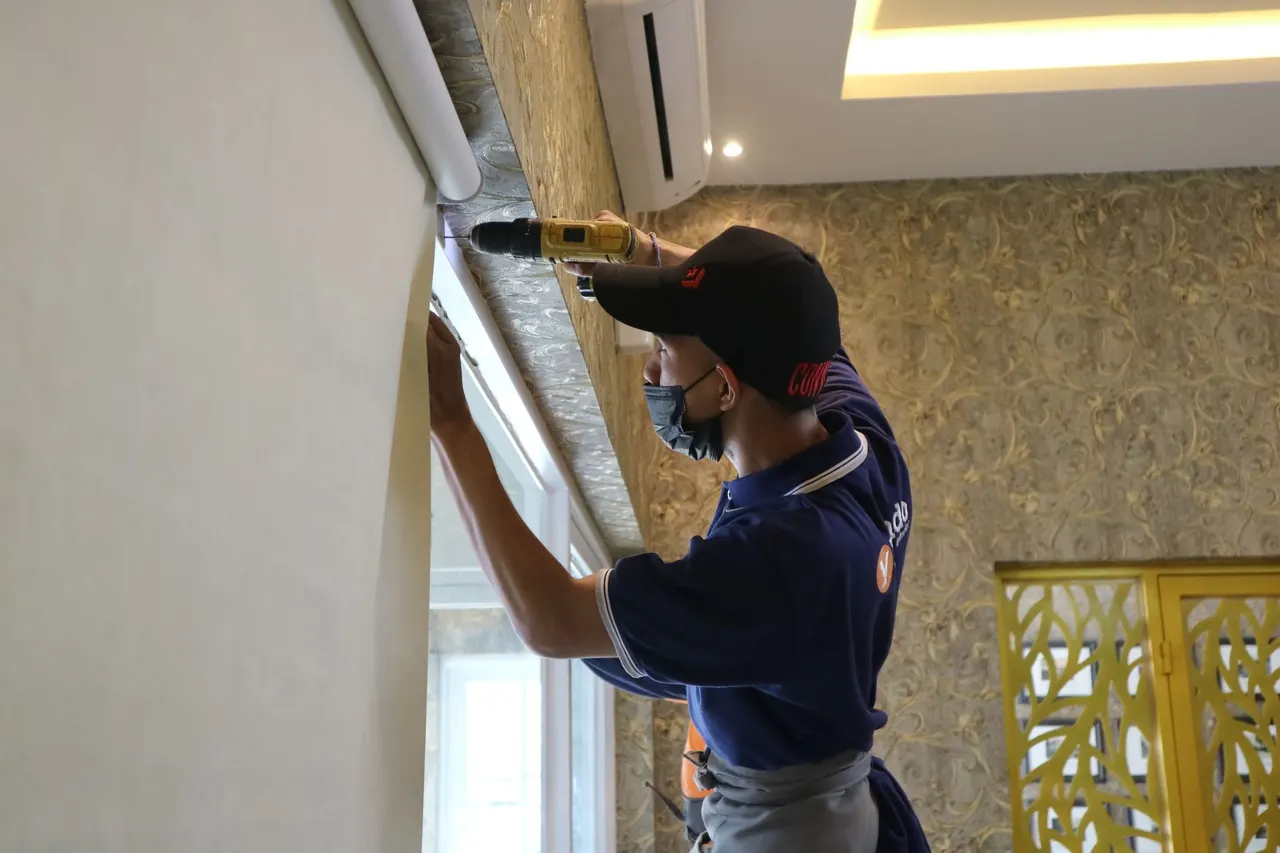
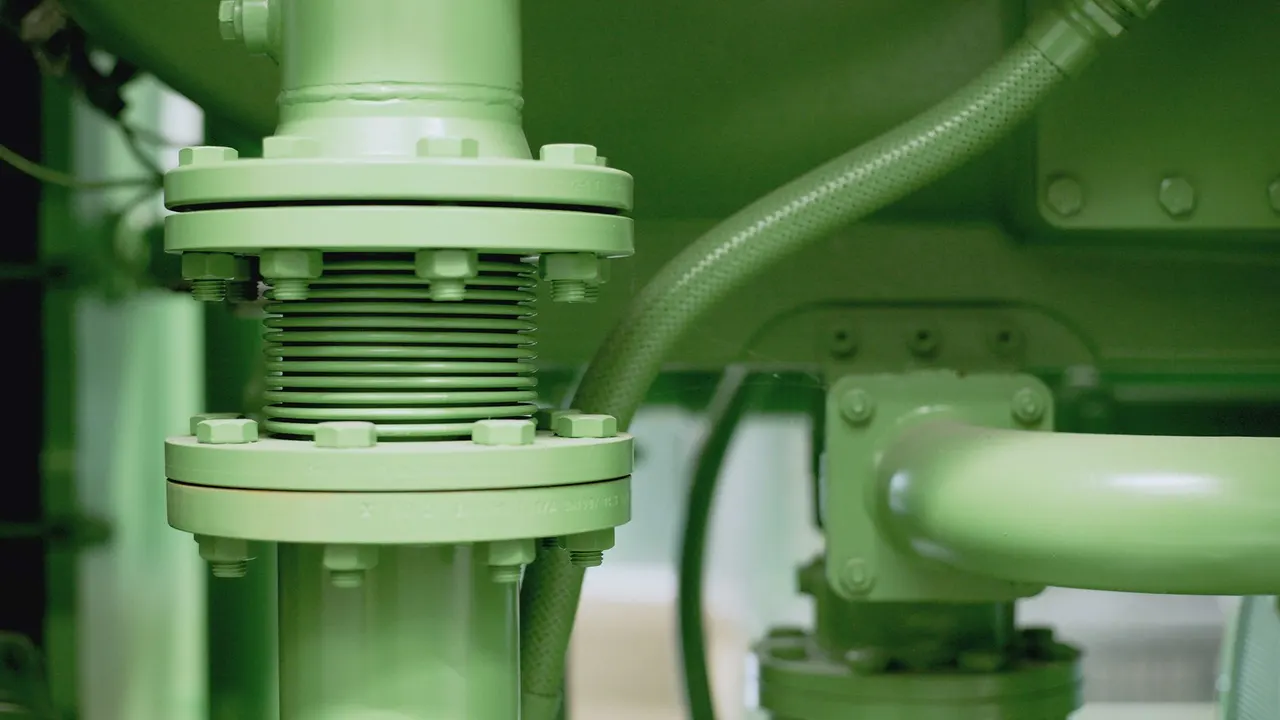
A practical standard for every visit.
Clear planningPrepared arrivalsCareful workLocal follow-through
Experience in the details
Furnace repair experience you can verify
Our techs work on furnaces every day, not once a month. That means Carrier, Trane, Lennox, Goodman, Rheem, York, American Standard, Bryant, Mitsubishi Electric, and Daikin systems are all familiar territory, from 1980s standing-pilot units in Drake Neighborhood to high-efficiency two-stage models in Waterbury. We hold NATE certification and EPA Section 608 certification, follow ACCA Manual J and Manual D standards for load and duct design, and pull Des Moines building permits when the job requires it. Every repair is done to Iowa mechanical code and OSHA safety standards, and every tech carries the tools to finish the job on the first visit.
- NATE-certified technicians who test ignition, airflow, and combustion on every no-heat call.
- EPA Section 608 certification for refrigerant-side work on heat pumps and AC paired with your furnace.
- Combustion analyzer and thermal imaging camera used on every heat exchanger inspection.
- Experience with Carrier, Trane, Lennox, Goodman, Rheem, York, Bryant, and American Standard furnaces.
- Repairs performed to Iowa mechanical code with Des Moines building permits pulled when required.
Where we work
One local team. A lot of ground covered.
Downtown Des MoinesEast VillageSherman HillDrake NeighborhoodBeaverdaleWaveland ParkHighland ParkIngersoll ParkSouth of GrandWaterburySalisbury OaksUnion Park
Check my address Most furnace repairs in Des Moines run $180 to $650, with the average call landing around $320 in 2026. A flame sensor or igniter swap is on the low end; a blower motor, control board, or inducer assembly pushes toward the top. Emergency and after-hours calls add a dispatch premium. You get a written quote before we start, so the number you approve is the number you pay.
The four most common causes we find on Des Moines no-heat calls are a failed igniter, a dirty flame sensor, a clogged air filter choking airflow, and a thermostat malfunction. Less often it is a failed blower motor, a cracked heat exchanger, or a gas valve issue. A proper diagnosis with a multimeter and combustion analyzer takes about 30 minutes and tells you exactly which one it is.
Des Moines Heating Repair Pros repairs furnaces across Polk County, including Beaverdale, Sherman Hill, Drake Neighborhood, Waveland Park, and the East Village. We work on all major brands and stock common parts on the truck. Call 515-876-5435 and we will dispatch the nearest tech, usually within 60 to 90 minutes for no-heat emergencies.
Most repairs are finished in one to three hours once the tech is on site, and same-day furnace repair Des Moines appointments are standard for no-heat calls. If the part is on the truck, you have heat the same visit. If it is a rare component, we typically have it in hand within 24 hours and schedule the return trip immediately.
Keep exploring
Other heating and cooling services we handle
Your next step is waiting
Need furnace repair Des Moines IA tonight?
No heat is not something to sleep on in an Iowa January. Call 515-876-5435 and we will dispatch a NATE-certified tech to your door, usually within 60 to 90 minutes for no-heat emergencies. Upfront pricing, warrantied repairs, and heat back on before we leave.
Start with the basics
Contact Des Moines Heating Repair Pros
Call us at 515-876-5435 any time, day or night. Our dispatchers answer 24/7 and can usually schedule a same-day visit for heating and cooling problems in Des Moines. Prefer email? Send your address and a quick description of the issue to info@desmoinesheatingrepairpros.com and we will get back to you fast.