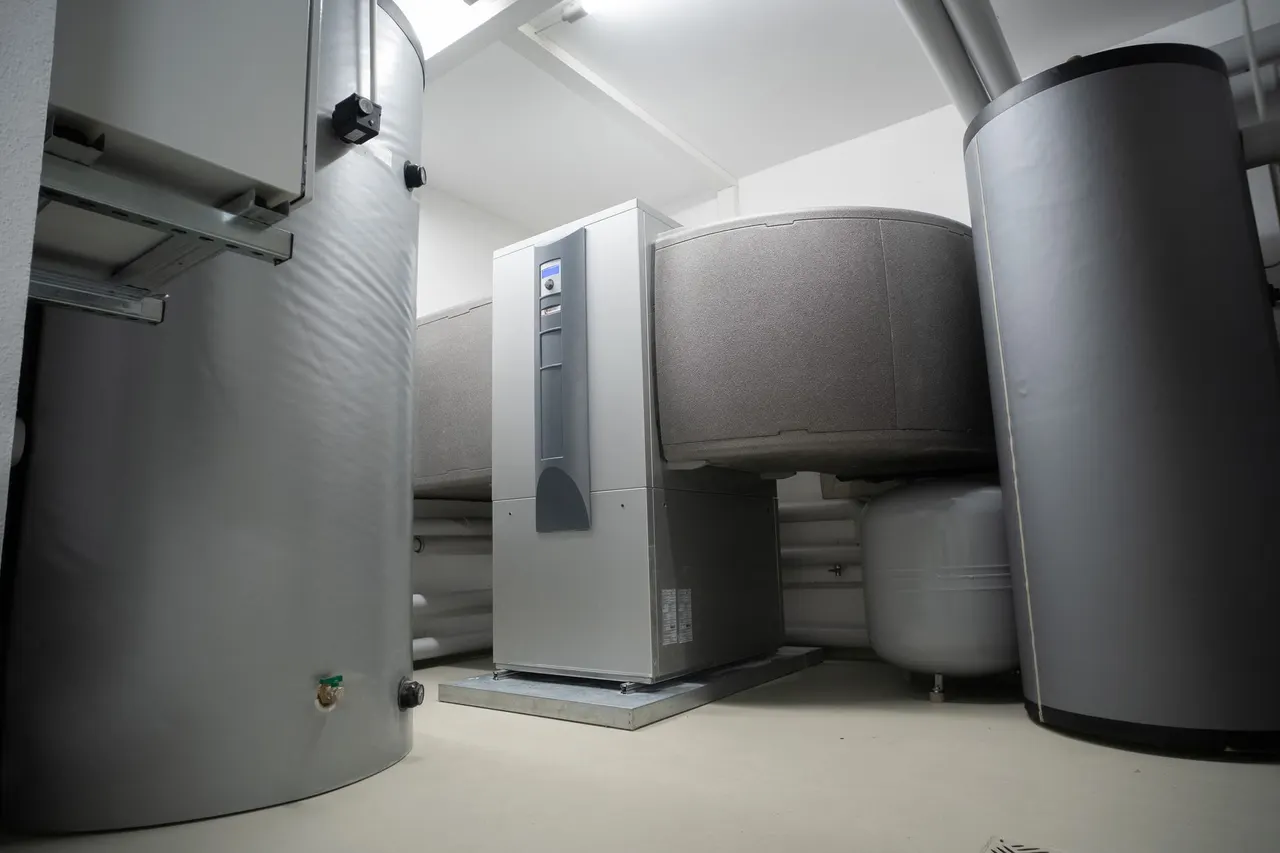
Furnace Maintenance
Furnace maintenance Des Moines IA that keeps your heat running
When the first hard freeze hits Polk County, the last thing you want is a furnace that won't fire. Our furnace maintenance Des Moines IA visits cover the full system, from the igniter to the blower motor, so you head into winter with a machine that runs clean and warm. We serve homeowners across Des Moines, Iowa, with no-surprise pricing and a written checklist you keep.
Service overview
What furnace maintenance Des Moines IA actually covers
Furnace maintenance Des Moines IA is a scheduled, multi-point inspection and cleaning of your heating system that restores safe combustion, airflow, and efficiency before the heating season starts. A real visit runs 60 to 90 minutes. We pull the burners, brush and vacuum the heat exchanger, test the igniter, check the flame sensor, verify gas pressure with a manifold gauge set, and measure temperature rise across the blower. Then we swap your air filter, inspect the flue, and log every reading on a tag you keep.
Des Moines winters swing hard. A 40-degree November afternoon can turn into a 5-degree night with wind chills well below zero, and your furnace runs near-constant for weeks. That's why fall furnace maintenance Des Moines homeowners schedule in October pays off. A dirty flame sensor or a cracked heat exchanger doesn't announce itself until the house is cold. If you've been searching for heating maintenance near me Des Moines IA, the answer is a tune-up before the first hard freeze, not after.
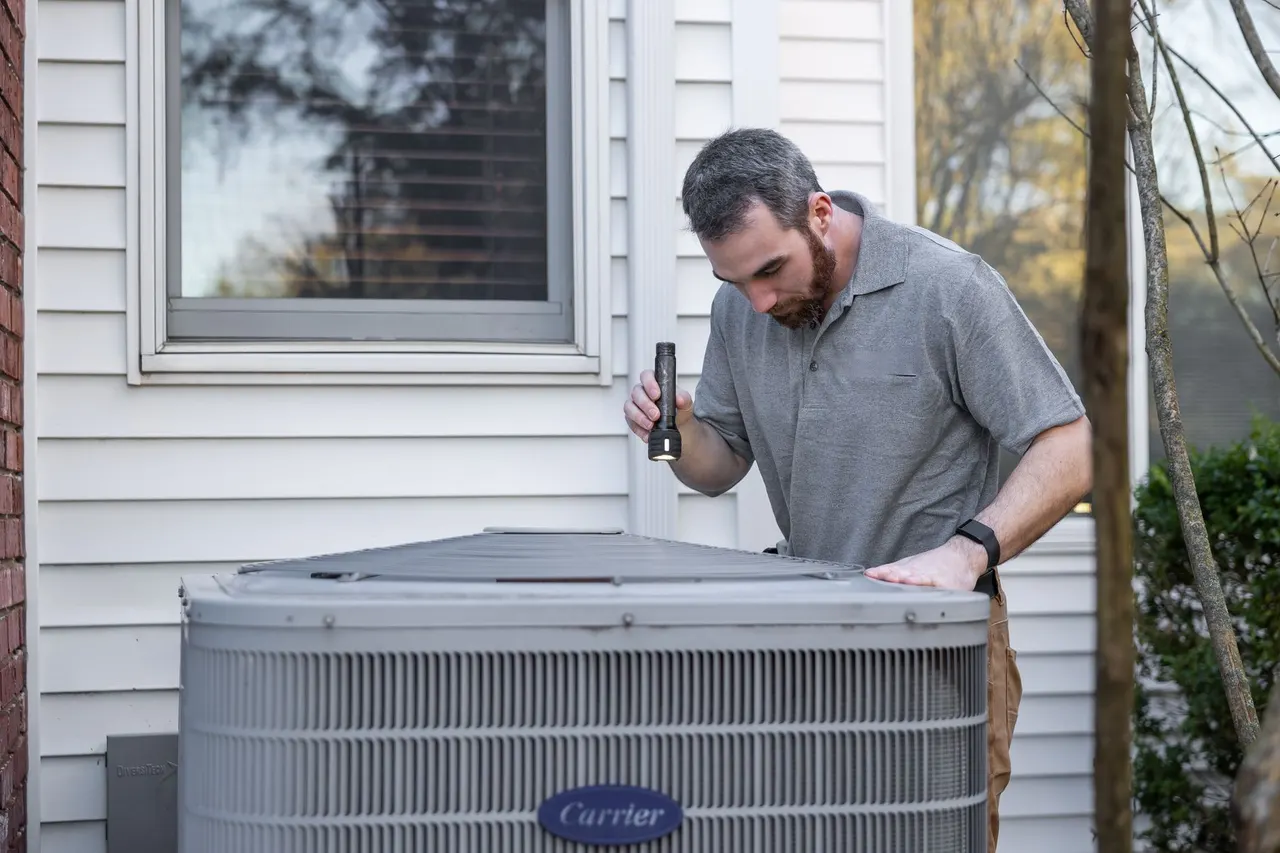
Practical benefits
Why Des Moines homeowners book a tune-up
A furnace tune up Des Moines Iowa isn't a luxury line item. It's the cheapest insurance you'll buy on the most expensive appliance in your home. Here's what a proper visit delivers.
Lower winter gas bills
A dirty blower wheel and clogged filter force your furnace to run longer to hit the thermostat setpoint. Cleaning and calibrating the system typically trims 5% to 15% off heating costs, which on a Des Moines winter gas bill can mean $80 to $200 back in your pocket.
Fewer 2 a.m. no-heat calls
Most no-heat emergencies we run in January trace back to something a tune-up would have caught: a weak igniter, a sooted flame sensor, or a blower motor pulling too many amps. A fall furnace maintenance Des Moines visit catches those parts before they fail on the coldest night of the year.
Safer combustion
We test for carbon monoxide with a combustion analyzer and inspect the heat exchanger for cracks. A cracked heat exchanger can push CO into your living space. Catching it during a routine furnace service Des Moines appointment is far cheaper than a hospital visit.
Longer equipment life
A furnace that gets yearly heater service Des Moines IA attention routinely runs 15 to 20 years. One that runs dirty and ignored often quits at 10 to 12. That's five to eight extra years of service from a machine that costs $4,000 to $8,000 to replace.
How service works
What a tune-up visit looks like
No mystery, no upsell theater. Here's exactly what happens when our tech pulls into your driveway, from the first handshake to the final walkthrough.
STEP 01
Book and confirm
Call 515-876-5435 or book online. We confirm a two-hour arrival window and text you when the tech is 30 minutes out. If you're in Sherman Hill or Beaverdale and need a Saturday slot, we run those too. No deposit, no trip charge inside the metro.
Tools and methods
Tools and methods we use on every visit
Manifold gauge set
Verifies inlet and manifold gas pressure against the manufacturer's spec. Off-spec pressure causes sooting, poor combustion, and premature heat exchanger failure.
Combustion analyzer
Measures CO and CO2 in the flue gas. This is how we confirm safe combustion and catch a cracked heat exchanger before it becomes a health issue.
Thermal imaging camera
Reveals hot spots and cracks in the heat exchanger that you can't see with the naked eye. Also used to spot duct leaks and insulation gaps.
Multimeter
Checks igniter resistance, flame sensor microamps, blower motor amp draw, and control board voltages. Most electrical faults get pinpointed in under five minutes.
Duct pressure gauge
Measures static pressure across the blower and through the duct system. High readings mean restricted airflow, which drives up energy use and shortens equipment life.
Fin comb and coil cleaning pump sprayer
Straightens bent fins on the evaporator coil and cleans buildup. Dirty coils restrict airflow and force the blower to work harder.
Leak detector
Electronic and soap-solution leak detection on gas lines and refrigerant circuits. We use it on every visit to confirm no leaks at fittings or valves.
NATE-certified diagnostic protocol
Every tech follows the NATE-recommended sequence: verify thermostat call, check ignition sequence, measure combustion, verify airflow, then test safeties. This order catches problems in the right sequence and prevents misdiagnosis.
ACCA Manual J load verification
When we see a system that's oversized or undersized for the home, we run a Manual J load calculation to confirm. Improper sizing is the root cause of many short-cycling and comfort complaints we see in Des Moines.
ACCA Manual D duct evaluation
If static pressure readings are high, we evaluate the duct system against Manual D. This tells us whether the fix is sealing, resizing, or adding a return, rather than guessing.
Iowa mechanical code compliance
All combustion venting, gas piping, and equipment installation work is done to Iowa mechanical code. When a permit is required, we pull it through Des Moines building permits and schedule the inspection.
Energy Star efficiency baseline
We compare your system's measured performance against Energy Star baselines for its age and type. That tells you whether a repair is worth it or whether replacement makes more sense.
Where this service fits
When Des Moines homeowners call us
You just bought a house in Drake Neighborhood and don't know the furnace's service history.
We run a full tune-up and inspection, document the current condition, and give you a baseline report. If the furnace has deferred maintenance, we'll tell you what's urgent and what can wait. You know exactly what you own and what it needs. No surprises in the first winter.
Your furnace is 12 years old and running fine, but you want to avoid a mid-winter breakdown.
A fall tune-up catches weak parts before they fail. We test the igniter, flame sensor, inducer motor, and blower, and quote any replacements flat-rate. You head into winter with a system that's been verified, not just hoped for.
You're on a Des Moines furnace maintenance plan and it's time for the annual visit.
We call you in early fall, schedule a two-hour window, and run the full checklist. Plan members get priority scheduling during cold snaps and a discount on any repairs we find. Your system stays on schedule, and you never have to remember to book it yourself.
Your energy bills jumped 20% compared to last winter with no change in usage.
We measure temperature rise, static pressure, and gas pressure, then inspect the blower and ductwork. Most efficiency losses trace back to airflow or combustion issues we can fix the same visit. Bills come back in line, and the furnace runs quieter and cycles less.
You're selling your home and the buyer's inspector flagged the furnace.
We run a tune-up and provide a written report with photos and readings. If repairs are needed, we quote them flat-rate so you can decide before closing. You have documentation that satisfies the buyer and keeps the sale on track.
Local execution
How furnace maintenance runs in Des Moines
Des Moines heating season runs October through April, and furnaces here work harder than in most of the country. A typical January week swings from 35 degrees to below zero, and your system cycles constantly. That's why we push fall furnace maintenance Des Moines appointments in September and October, before the first hard freeze. Older neighborhoods like Sherman Hill and Drake have original ductwork and uninsulated crawlspaces, which means more heat loss and more strain on the equipment. Newer builds in Beaverdale and Waveland Park often have high-efficiency condensing furnaces that need their condensate lines checked before winter, or they'll freeze and shut down. We also see a lot of two-story homes with zoning issues, where the upstairs runs cold because the return is undersized. A yearly heater service Des Moines IA visit catches all of this. We work to Iowa mechanical code, pull Des Moines building permits when required, and follow ACCA Manual J and Manual D standards for any sizing or duct work.
Sherman Hill
Century-old homes with original ductwork and boiler conversions. We often find undersized returns and leaky joints that need sealing before the furnace can run efficiently.
Beaverdale
Mix of mid-century ranches and newer builds. High-efficiency condensing furnaces here need their condensate lines and PVC flues checked every fall.
Waveland Park
Two-story homes with zoning issues. Upstairs runs cold because the return is undersized. We measure static pressure and rebalance the system.
East Village
Lofts and converted commercial spaces with ductless or hybrid systems. Mini-split maintenance pairs well with a fall furnace tune-up.
Drake Neighborhood
Rental-heavy area with a lot of older furnaces. We document condition carefully so landlords have a clear record of what's been serviced.
Hard freeze cycles from November through March
Furnaces run near-constant for weeks. Weak igniters, dirty flame sensors, and worn blower motors fail under sustained load. A fall tune-up catches them before the cold snap.
Dry winter air and static buildup
Low humidity increases static electricity, which can damage control boards and thermostats. We check grounding and recommend a whole-home humidifier when humidity drops below 30%.
Older housing stock with uninsulated ductwork
Heat loss through leaky ducts can hit 20% to 30%. We seal accessible joints with mastic sealant and verify improvement with a duct pressure gauge.
Wide temperature swings in shoulder seasons
Furnaces short-cycle in October and April, which wears out igniters and heat exchangers faster. Proper thermostat setup and staging reduce cycling.
Problems we solve
Problems a tune-up catches before they get expensive
Most furnace failures we see in Des Moines didn't happen overnight. They started as small issues that a yearly visit would have caught. Here are the ones we run into most.
Furnace not igniting on cold mornings
We test the igniter and flame sensor during every tune-up. If either is weak, we replace it on the spot for $120 to $250. That's a fraction of an emergency call, and you avoid the 2 a.m. scramble entirely. You wake up to a cold house and a furnace that clicks but won't fire. If it happens on a holiday weekend, you're looking at emergency rates and a long wait.
Uneven airflow in two-story homes
We measure static pressure and temperature rise, then inspect duct runs for leaks, crushed flex duct, and undersized returns. Sealing and rebalancing often fixes the problem without touching the furnace itself. Upstairs runs hot in summer and cold in winter, and your furnace works harder to compensate. Over a season, that's hundreds of extra dollars on gas and a shorter equipment life.
Rising gas bills with no obvious cause
Our tune-up cleans the blower, replaces the filter, and verifies gas pressure with a manifold gauge set. Most customers see a 5% to 15% drop in heating costs after a proper service. A dirty blower wheel, clogged filter, or misadjusted gas valve forces the furnace to run longer to hit setpoint. You pay more every month and don't notice until the bills stack up.
Carbon monoxide concerns
We inspect the heat exchanger with a thermal imaging camera and run a combustion analyzer on the flue. If CO readings are elevated, we shut the system down and quote the repair or replacement the same day. A cracked heat exchanger can push CO into your living space. You can't see or smell it, and symptoms mimic the flu. It's the most serious furnace issue we find.
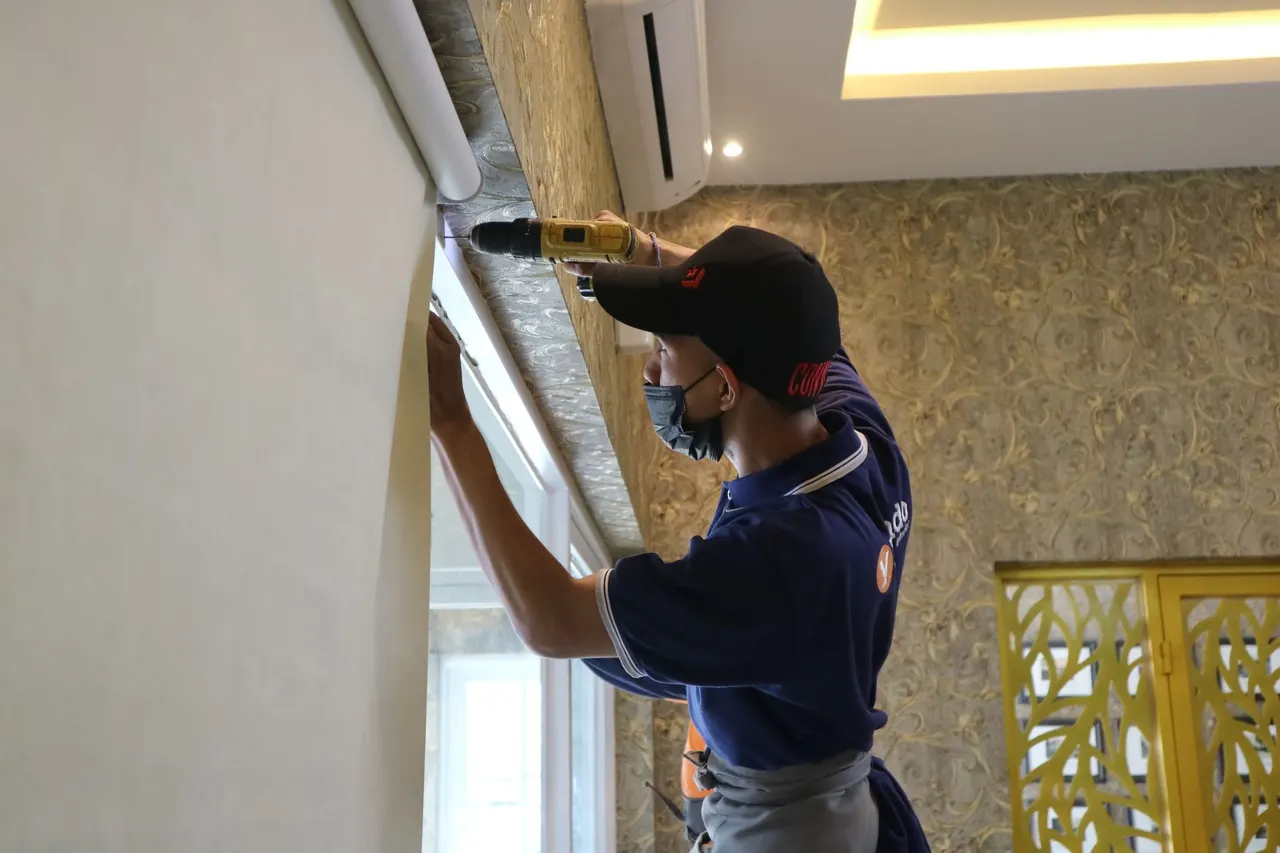
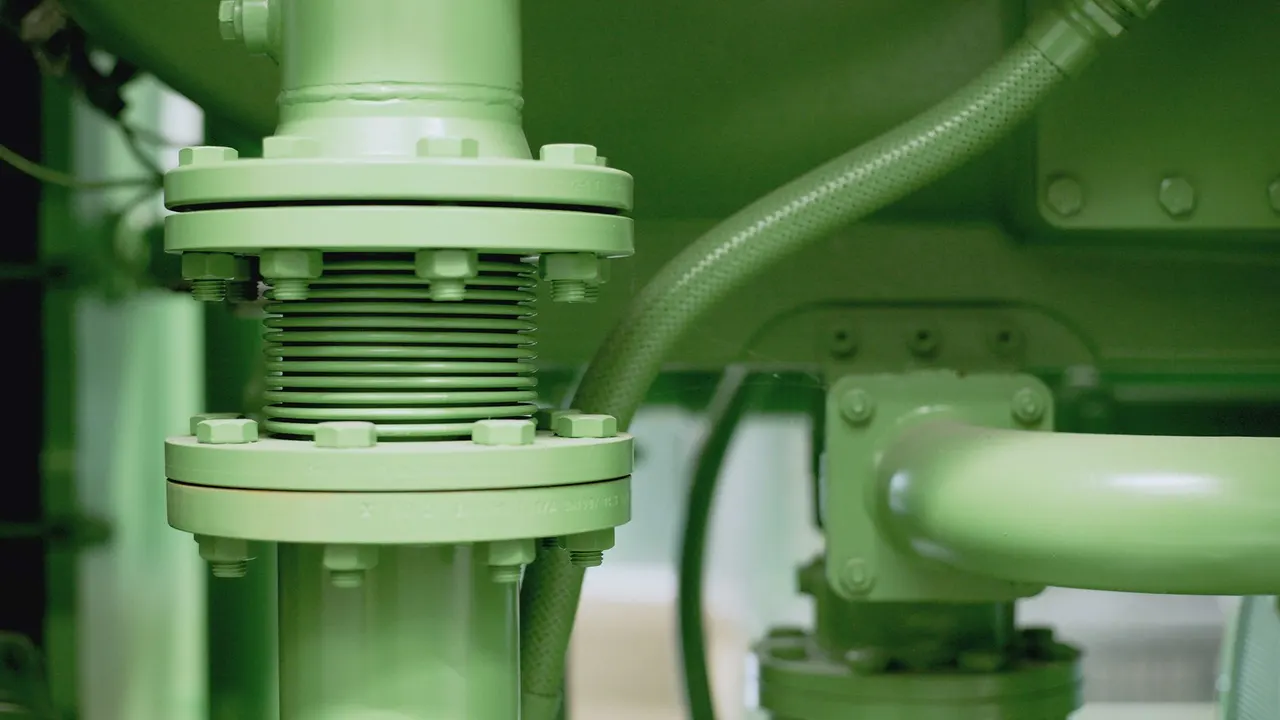
A practical standard for every visit.
Clear planningPrepared arrivalsCareful workLocal follow-through
Experience in the details
Local experience you can verify
Our techs hold NATE certification and EPA Section 608 certification, and we work under a current Iowa HVAC license. We service every major brand: Carrier, Trane, Lennox, Goodman, Rheem, York, American Standard, Bryant, Mitsubishi Electric, and Daikin. We've tuned up furnaces in century-old Sherman Hill houses with original ductwork and in new-build Beaverdale homes with high-efficiency variable-speed systems. Different equipment, same checklist. We carry common parts on the truck, so most tune-up findings get fixed the same visit.
- NATE-certified technicians on every furnace maintenance call
- EPA Section 608 certification for refrigerant and combustion work
- Iowa HVAC license held by the company and each lead tech
- Work performed to Iowa mechanical code and ACCA Manual J and Manual D standards
- Common igniters, flame sensors, and blower motors stocked on every truck
Where we work
One local team. A lot of ground covered.
Downtown Des MoinesEast VillageSherman HillDrake NeighborhoodBeaverdaleWaveland ParkHighland ParkIngersoll ParkSouth of GrandWaterburySalisbury OaksUnion Park
Check my address Once a year, ideally in early fall before the first hard freeze. Des Moines furnaces run six to seven months of heavy duty, so annual service is the minimum. If you have pets, a dusty house, or a system over 12 years old, we recommend a mid-winter filter check as well. Skipping a year is how small issues turn into no-heat calls in January.
Our standard furnace tune up runs $89 for a single system, and $149 if you have two furnaces. That covers the full inspection, cleaning, combustion test, and written report. If we find a part that needs replacing, we quote it flat-rate before we touch anything. Most tune-up repairs land between $120 and $450.
A full visit covers burner cleaning, heat exchanger inspection, igniter and flame sensor testing, gas pressure verification, blower motor amp draw check, filter replacement, combustion analysis, and temperature rise measurement. We also inspect the flue, check the condensate line on high-efficiency units, and test the thermostat. You get a written checklist with every reading.
We do, and we cover the whole metro: Downtown, East Village, Sherman Hill, Drake Neighborhood, Beaverdale, Waveland Park, and out to the suburbs. Call 515-876-5435 and we'll confirm a two-hour window. Same-day and next-day slots are usually available outside of peak cold snaps.
Keep exploring
Related Services
Your next step is waiting
Book your furnace maintenance Des Moines IA visit today
Furnace tune-ups start at $89 with a written report, upfront pricing, and no trip charge inside the metro. Call 515-876-5435 or book online and we'll confirm a two-hour window, usually within 48 hours.
Start with the basics
Contact Des Moines Heating Repair Pros
Call us at 515-876-5435 any time, day or night. Our dispatchers answer 24/7 and can usually schedule a same-day visit for heating and cooling problems in Des Moines. Prefer email? Send your address and a quick description of the issue to info@desmoinesheatingrepairpros.com and we will get back to you fast.