Duct Cleaning
Duct cleaning Des Moines IA for cleaner air and better airflow
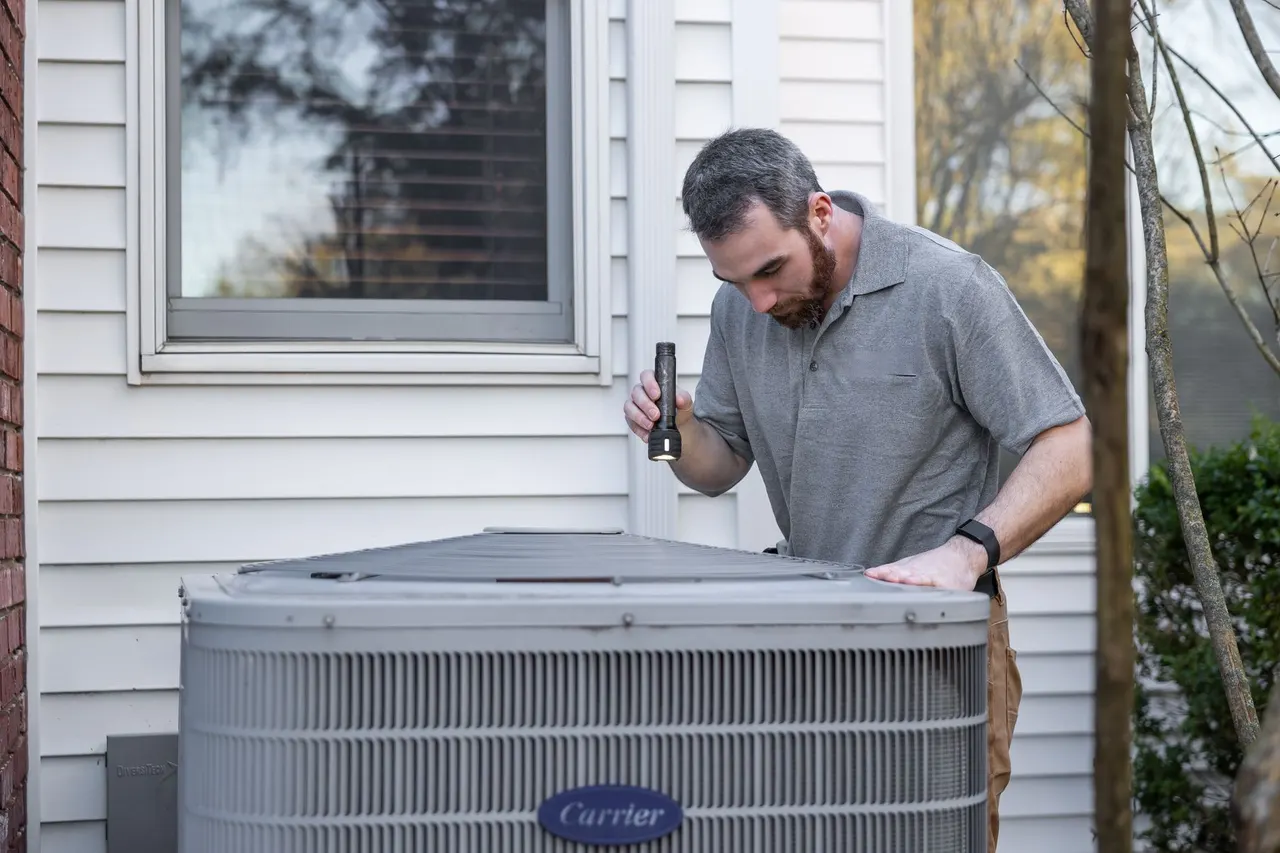
If your registers puff dust every time the furnace kicks on, duct cleaning Des Moines IA is the fix. We run a negative-air vacuum through your trunk lines and branches, brush every supply and return, and seal the access points back up tight. Homes in Beaverdale, Waveland Park and the older blocks near Drake pull decades of dust, pet dander and construction debris out of their ductwork every year. We handle residential and commercial duct cleaning Des Moines, usually in a single visit.
Service overview
What duct cleaning Des Moines IA actually involves
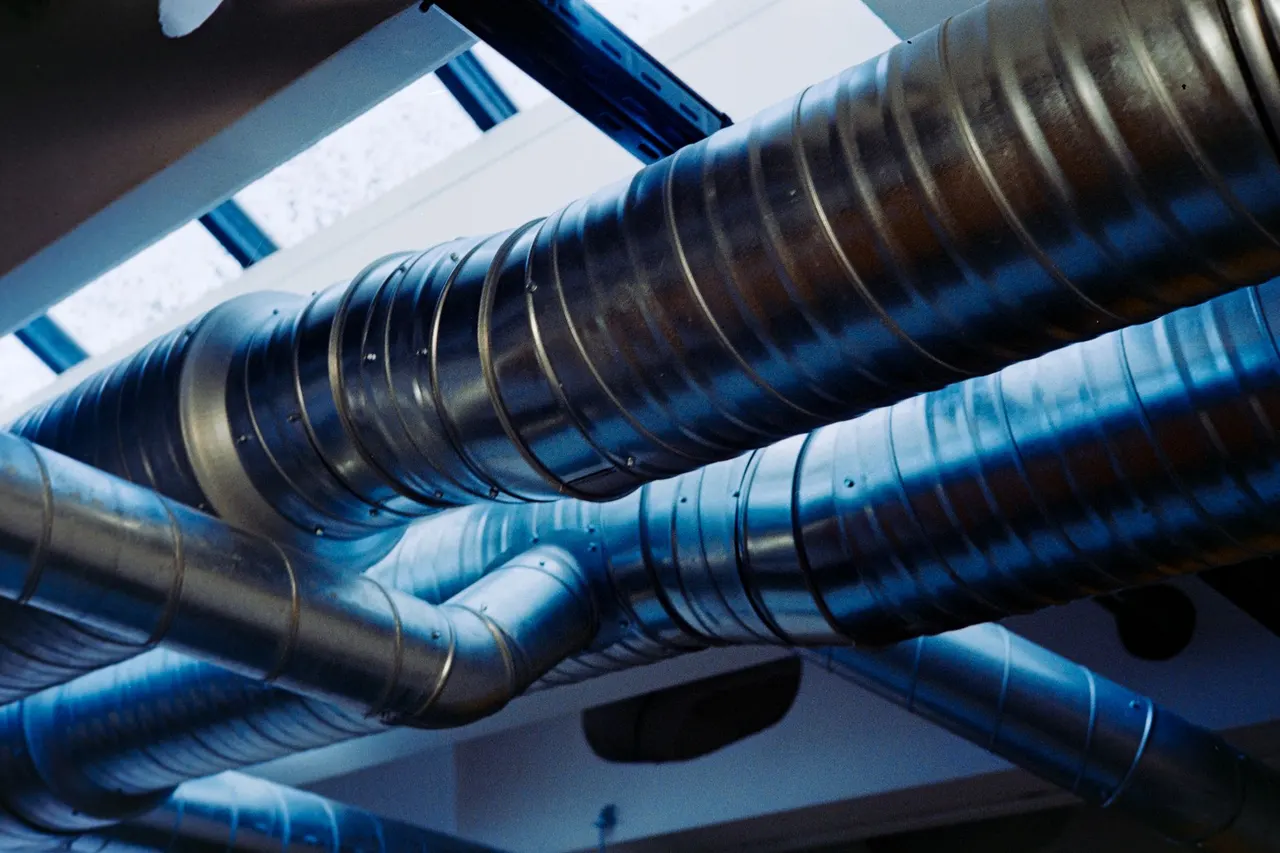
Duct cleaning Des Moines IA is a mechanical service that removes accumulated dust, dander, pollen and debris from your supply and return ductwork, then restores airflow and indoor air quality. We cut small access ports into the trunk line, insert a rotary brush and compressed-air whip, and pull everything back toward a HEPA-filtered negative-air vacuum running outside the house. Every register gets brushed by hand. Flex duct, sheet metal duct and duct insulation all get treated differently, because a stiff nylon brush will shred flex duct in seconds.
Most Des Moines homes we open up have never had the ducts touched. Furnace filters catch maybe 15 to 30 percent of what moves through the system, so the rest settles on duct walls, blower motor housings and evaporator coil faces. If you have been searching duct cleaning in Des Moines IA near me because someone in the house wakes up congested every morning, that dust layer is usually the first thing we find. Winter here runs the furnace five months straight, and every one of those cycles pushes that sediment through the same 6-inch branches.
Practical benefits
Why Des Moines homeowners book duct cleaning
Duct cleaning is not cosmetic. It changes how your system moves air, how much dust lands on your furniture, and how hard your blower motor has to work to hit the thermostat setpoint.
Less dust on every surface
A dirty return line recycles dust through the whole house. Once we pull the sediment out of the trunk and branches, most customers tell us they dust half as often. One Waveland Park homeowner went from dusting every three days to once a week after we cleaned 14 registers and roughly 60 feet of trunk line.
Easier breathing for allergy sufferers
Duct cleaning for allergies Des Moines is one of our most common calls. Pollen season in Iowa runs hard from April through June, and that pollen rides in on clothes and pets, then parks in the ductwork. Removing it cuts the load your air filter has to fight and reduces the dust that gets stirred up every time the blower starts.
Better airflow, lower run times
Restricted branches make the blower work harder and longer. When we clear a clogged return, static pressure drops and rooms that never got warm start catching up. Uneven airflow in two-story homes is often a duct problem, not a furnace problem, and cleaning plus a duct pressure gauge reading tells us which one it is.
Longer equipment life
Dust that bypasses the filter coats the blower motor and the evaporator coil. A dirty coil ices up in summer and forces the compressor to run hotter. Cleaning the ducts and the coil face together is cheaper than replacing a failed blower motor, and it keeps your system closer to its rated efficiency.
How service works
How our duct cleaning visit runs
Every job follows the same five steps, whether it is a 1,200-square-foot bungalow in Highland Park or a 4,000-square-foot two-story in Waterbury. Here is exactly what happens from the moment we park the truck.
STEP 01
Walkthrough and inspection
We start by counting registers, checking the return size, and looking at the blower compartment and filter rack. A thermal imaging camera helps us spot duct leakage in walls and ceilings before we cut anything. You get a straight answer on scope before we hook up a single hose, and the price does not move after that.
Tools and methods
The equipment we bring to every job
Truck-mounted negative-air vacuum
Pulls the entire duct system into negative pressure so loosened debris travels out of the house instead of into your living room. The HEPA filtration stage keeps fine particles from exhausting into the yard.
Rotary brush and air whip
Mechanical agitation for sheet metal duct. The brush scrubs the walls while the air whip blasts the corners. We switch to softer attachments for flex duct so the liner does not tear.
Duct pressure gauge
Reads static pressure before and after cleaning. That number tells us whether the ducts were the airflow bottleneck or whether the equipment itself needs attention.
Thermal imaging camera
Finds duct leakage hidden inside walls and ceilings. A cold spot on an interior wall in January usually means a disconnected run or missing insulation.
Coil cleaning pump sprayer
Applies cleaner to the evaporator coil face when it is matted with dust. A clean coil is what lets the system hit its rated efficiency instead of running hot.
Multimeter
Checks blower motor amp draw and verifies thermostat wiring. If the blower is pulling more amps than spec, restricted airflow is usually the reason.
Manifold gauge set
Reads refrigerant pressures on the AC or heat pump side. If airflow was restricted for years, the compressor may have taken a hit, and this tells us whether charge is still correct.
Source removal under negative pressure
The standard for real duct cleaning. The vacuum runs the whole time while we agitate each branch, so debris moves toward the truck and never back into the house. Anything less is just stirring dust around.
Branch-by-branch agitation
We work one register at a time from the farthest point back toward the trunk. That sequence matters, because cleaning the trunk first would just push sediment into the branches you have not reached yet.
Mastic sealing of access ports
Every port we cut gets sealed with mastic sealant and a new cap. Tape fails within a season or two in an Iowa attic. Mastic holds, and it keeps the port from becoming a new leak point.
ACCA Manual D verification
When airflow problems go beyond cleaning, we size duct corrections using ACCA Manual D. That is the industry standard for duct design, and it is how we confirm a fix will actually move the CFM the system needs.
Post-service airflow verification
We run the system after cleaning and check airflow at each register. If a room still feels weak, we investigate before we pack up. The job is not done until the air is moving the way it should.
Where this service fits
When Des Moines homeowners call us
You just bought a house and have no idea when the ducts were last cleaned.
We do a full inspection first, then clean every register, return and trunk line. If the previous owner had pets or smoked indoors, we note it and adjust the cleaning method. You get a written summary of what we found. You start fresh in the house with a clean air path and a filter recommendation that fits your household, not the previous owner's.
Someone in the house wakes up congested every morning during pollen season.
We clean the ducts, check the evaporator coil, and verify the filter is the right MERV rating for the system. If the return is undersized, we tell you what it would take to correct it. Less pollen and dust circulating overnight. Most customers report fewer morning symptoms within the first week, especially paired with a proper filter.
You just finished a remodel and drywall dust went everywhere.
Construction dust is fine and it coats everything. We run the vacuum through the whole system, brush each branch, and clean the blower compartment. We also check the filter rack for bypass so the new dust does not just reload the ducts. The fine dust that would have recirculated for months is gone, and your new furnace filter is not fighting a losing battle.
Your dryer takes two cycles to dry a load and the vent feels hot.
We inspect the dryer vent run during the duct cleaning visit. If lint has built up in the chase, we clean it out and confirm the vent flaps open freely. This is a fire-safety issue, not just a convenience one. Dryer times drop back to normal, the vent runs cooler, and you have removed a real fire risk from the laundry room.
You are selling the house and the buyer's inspection flagged the ductwork.
We clean the system, document the before-and-after with photos, and provide a written summary you can hand to the buyer's agent. If we find a repair issue, we quote it separately so there are no surprises at closing. A clean inspection report, a documented service record, and one less item for the buyer to negotiate over.
Local execution
How duct cleaning runs in Des Moines
Des Moines ductwork comes in two flavors: original sheet metal in pre-1950 houses and flex duct in everything built after 1980. Sherman Hill, Beaverdale and the Drake Neighborhood are full of the first kind, with 6-inch round runs and gravity-furnace-era trunk lines that were never designed for a modern blower. Those systems need gentle agitation and careful port placement, because the metal is thin and the joints are sealed with old tape. Newer builds out near Gray's Woods and River Bend use flex duct stapled to trusses, and that duct crushes easily, so we check for collapsed runs before we ever turn on the vacuum. Winter here runs the furnace from October into April, and every one of those cycles pushes sediment through the same branches. Iowa mechanical code governs how we seal access ports and how we handle duct insulation in conditioned space, and we pull Des Moines building permits when a job requires them. If you need air duct cleaning Des Moines in the middle of a cold snap, call early in the day, because our schedule fills fast once the first hard freeze hits.
Sherman Hill
Century-old homes with original sheet metal runs and low-clearance basements. Port placement takes planning, and we often find disconnected joints behind plaster walls.
Beaverdale
A mix of 1920s bungalows and post-war ranches. Many have had additions tied into the original trunk, which creates airflow imbalance we correct during cleaning.
Waveland Park
Two-story homes with a single-zone system. Upstairs bedrooms run cold in winter, and restricted returns are usually the reason we find on site.
Gray's Woods
Newer construction with flex duct and tight building envelopes. We check for crushed runs and verify the HRV or ERV is balanced while we are there.
East Village
Lofts and converted commercial buildings with exposed ductwork. Cleaning is straightforward, but we watch for shared chases between units.
Five-month heating season with sub-zero cold snaps
The furnace runs almost continuously from November through March, so sediment gets pushed through the system far more often than in a milder climate. Ducts load up faster here.
High summer humidity and pollen season
Iowa pollen runs hard from April through June, and summer humidity feeds biological growth on evaporator coils. Cleaning the ducts and coil together is the only way to actually solve the smell.
Older housing stock with undersized returns
Pre-1950 homes were built for gravity furnaces, not modern blowers. The return is often half the size it should be, which is why cleaning alone sometimes is not enough and we recommend a return upgrade.
Remodel and renovation dust
Drywall dust is fine enough to pass through a standard filter and coat the blower wheel and coil. We see a spike in duct cleaning calls every spring after winter remodeling projects wrap up.
Problems we solve
Duct problems we fix in Des Moines homes
Most airflow complaints trace back to the ductwork, not the equipment. Here are the four problems we run into most often, and what happens if you leave them alone.
Dust puffing out of registers on startup
We run a negative-air vacuum through the whole system while brushing each branch, then clean the blower wheel and check the filter rack for bypass. Most customers notice the difference the first time the furnace kicks on after we leave. Every furnace cycle redistributes sediment across furniture, bedding and electronics. Allergy symptoms get worse, filters load up faster, and the house never feels truly clean no matter how often you dust.
Uneven temperatures between floors
We measure static pressure with a duct pressure gauge, find the restricted or disconnected runs, clean them out, and repair any crushed flex duct. In many two-story Des Moines homes, that alone closes the temperature gap without touching the furnace. Upstairs bedrooms run 5 to 8 degrees colder than the main floor all winter. The furnace runs longer trying to satisfy the thermostat, which raises your gas bill and wears the equipment down faster.
Musty or stale smell when the air runs
We inspect the coil and the duct interior, clean the affected surfaces, and check the condensate drain for clogs. If the insulation is saturated, we tell you what it costs to replace that section rather than cleaning over a problem. That odor usually means biological growth on the evaporator coil or in the duct insulation. It circulates through every room, and in humid Iowa summers it gets worse, not better.
Higher energy bills with no equipment change
We clean the ducts, verify the blower amp draw with a multimeter, and check refrigerant charge with a manifold gauge set. If the equipment is fine and the ducts were the bottleneck, the runtime drops back to where it should be. Restricted airflow makes the blower motor draw more amps and run longer. A system that used to hit setpoint in 12 minutes now takes 20. That extra runtime shows up on every utility bill from November through March.
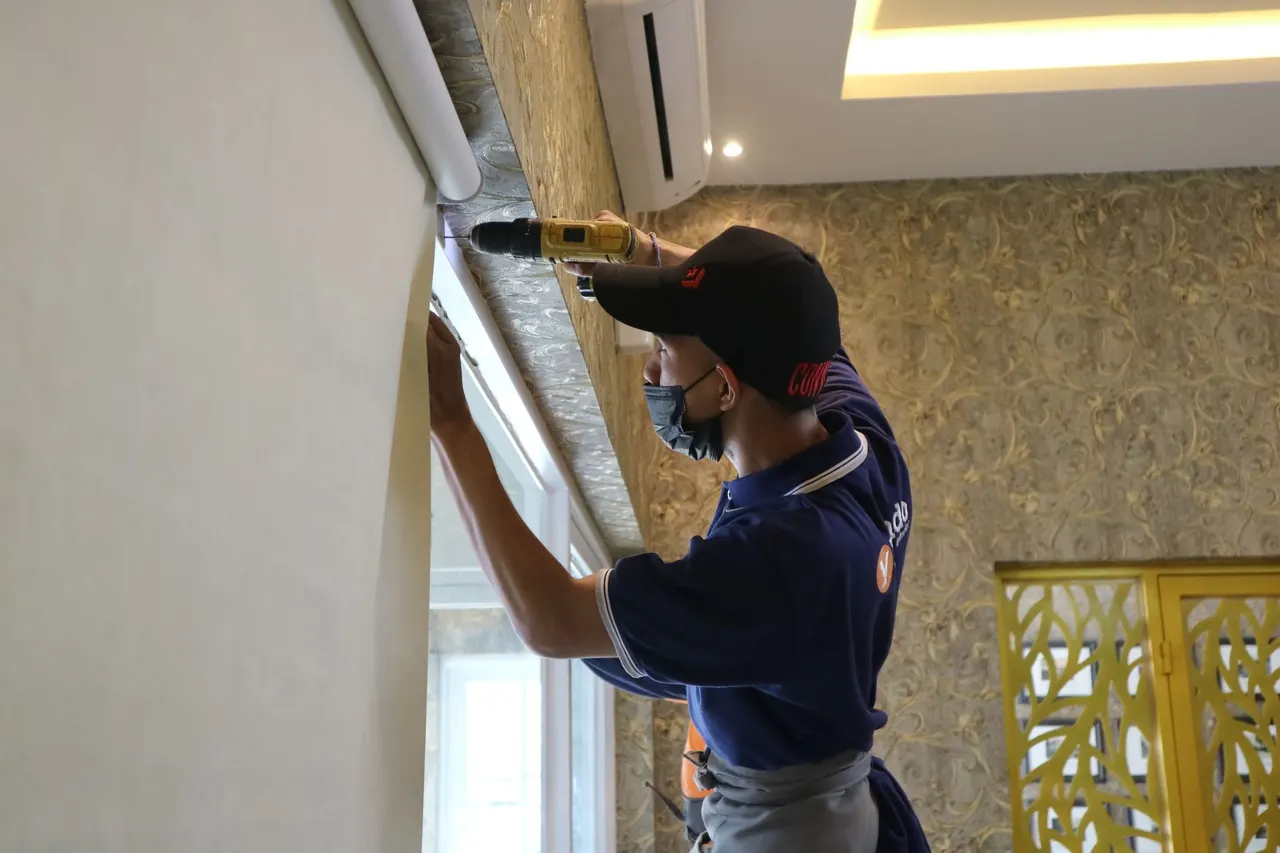
A practical standard for every visit.
Clear planningPrepared arrivalsCareful workLocal follow-through
Experience in the details
Local experience you can check
Our technicians carry NATE certification and EPA Section 608 certification, and we work to Iowa mechanical code on every job. We have cleaned ductwork in century-old Sherman Hill houses with original sheet metal runs and in new builds out near Gray's Woods with flex duct stapled to trusses. Those are two completely different jobs. One needs gentle agitation and careful port placement; the other needs us to check for crushed runs and disconnected joints before we ever turn on the vacuum. We also handle dryer vent and duct cleaning Des Moines IA calls, because a clogged dryer vent is a fire risk, not just a lint problem.
Where we work
One local team. A lot of ground covered.
Downtown Des MoinesEast VillageSherman HillDrake NeighborhoodBeaverdaleWaveland ParkHighland ParkIngersoll ParkSouth of GrandWaterburySalisbury OaksUnion Park
Check my address Most homes land between $300 and $700, and a typical 10-register house runs about $450. Air duct cleaning cost Des Moines Iowa depends on register count, how many systems you have, whether the ducts are flex or sheet metal, and how much access we need to cut. Two-story homes with a separate upstairs trunk cost more because there is more line to run. You get the number before we start.
Every three to five years for most households. Move it to every two years if you have pets that shed, someone with asthma or allergies, or you just finished a remodel that kicked drywall dust through the returns. If you run a cheap 1-inch filter and change it twice a year, your ducts load up faster than a home running a 4-inch media cabinet.
Yes, when the ducts are actually dirty. We have pulled pounds of dust and dander out of returns in Drake Neighborhood and Beaverdale homes, and customers report fewer morning congestion symptoms afterward. It is not a cure, and it works best paired with a proper filter and a clean evaporator coil. If your ducts are already clean, we will tell you so and skip the sale.
We do, across Polk County and every Des Moines ZIP from 50309 through 50317. We cover Downtown, East Village, Sherman Hill, Union Park, Indianola Hills and the surrounding neighborhoods. Call 515-876-5435 and we will confirm the next open slot, including same-day windows when the schedule allows.
Keep exploring
Other work we do alongside duct cleaning
Your next step is waiting
Book duct cleaning Des Moines IA this week
Call 515-876-5435 and we will give you a flat price over the phone, then confirm a window that fits your schedule. Same-day slots open up most weeks, and our line stays open 24/7 for no-heat and no-cool emergencies. Licensed, insured and working to Iowa mechanical code on every job.
Start with the basics
Contact Des Moines Heating Repair Pros
Call us at 515-876-5435 any time, day or night. Our dispatchers answer 24/7 and can usually schedule a same-day visit for heating and cooling problems in Des Moines. Prefer email? Send your address and a quick description of the issue to info@desmoinesheatingrepairpros.com and we will get back to you fast.