Dehumidifier Installation
Dehumidifier installation Des Moines IA that keeps your basement dry
If your basement smells musty or your windows sweat every July, dehumidifier installation Des Moines IA is the fix that actually works. We size the unit to your square footage, tie it into your existing ductwork or drain, and set the control so it runs only when it should. Homeowners in Beaverdale, Sherman Hill, and Waterbury call us because a portable bucket unit quits every few hours. Ours doesn't.
Service overview
What dehumidifier installation Des Moines IA actually involves
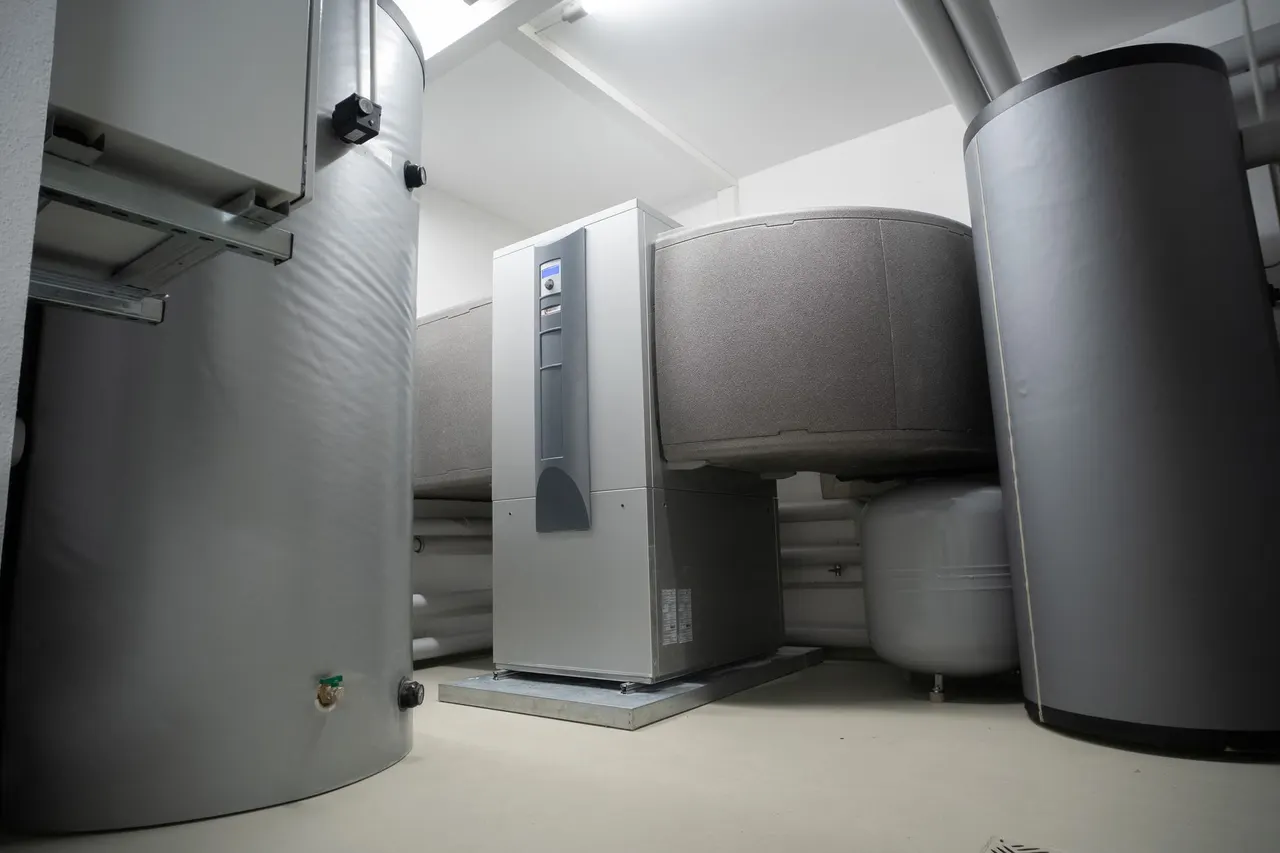
Dehumidifier installation Des Moines IA means pulling moisture out of the air in your whole house, not just one damp corner. A whole-home unit mounts near your furnace or air handler, pulls return air across a cold coil, condenses the water, and sends it to a floor drain, condensate pump, or sump. We run a dedicated 240V or 120V circuit, tie the drain line with a proper trap, and wire the control into your thermostat or a stand-alone humidistat. Most installs take four to six hours.
Des Moines sits in a river valley with Polk County humidity that climbs past 70% indoors through June, July, and August. Add a finished basement, a 1920s Beaverdale bungalow with a stone foundation, or a newer tight-built home in Waveland Park, and you get condensation on cold-water pipes, musty carpet, and warped trim. A whole home dehumidifier Des Moines setup holds the house at 45-50% relative humidity year-round, which is the range that stops mold growth and keeps your hardwood from cupping.
Practical benefits
Why Des Moines homeowners install whole-home dehumidifiers
Portable units pull a few pints a day and need emptying twice a day. A properly sized whole-home system pulls 70-130 pints per day, drains itself, and runs on a humidistat so you never think about it again.
Stops mold before it starts
Mold needs 60% relative humidity to colonize drywall and joists. Holding your basement at 45-50% shuts that down. We've pulled musty carpet out of Cheatom Park basements that never should have gotten wet in the first place. Once the humidity is controlled, the smell goes away and stays away.
Protects wood and finishes
Hardwood floors cup, trim separates, and doors stick when indoor humidity swings 30 points between spring and fall. A dehumidifier for humid basement Des Moines homes keeps the swing under 10 points. That's the difference between a floor that lasts 40 years and one that needs refinishing at year 12.
Cuts cooling bills
Dry air feels cooler at the same thermostat setting. Most customers set their AC 2-3 degrees higher after install and don't notice. On a 2,000 sq ft Des Moines home, that's roughly $15-$25 a month off the summer electric bill, and the dehumidifier itself draws less than a window AC unit.
Protects HVAC equipment
High humidity rusts blower motors, corrodes condenser coils, and grows biological film on evaporator coils. We've replaced blower motors in River Bend homes that failed at year six because the basement never dropped below 65% RH. A dehumidifier adds years to the equipment you already paid for.
How service works
How our dehumidifier installation process works
We don't guess at sizing. Every install starts with a moisture load calculation, then we set the unit, drain it, wire it, and commission it before we leave. Here's what the day looks like from your side.
STEP 01
On-site moisture audit
We measure relative humidity in the basement, main floor, and any crawlspace, check for standing water, and look at foundation walls and rim joists. A thermal imaging camera shows us where cold surfaces are condensing. Takes 30-45 minutes. You get a written sizing recommendation before we quote anything.
Tools and methods
Tools and methods we use on every install
Thermal imaging camera
Finds cold surfaces where moisture is condensing, including rim joists, pipe chases, and foundation walls. Shows us exactly where the dehumidifier needs to move air.
Manifold gauge set
Used on integrated systems to verify refrigerant charge and confirm the AC or heat pump is pulling its share of the latent load. R-410A and R-32 compatible.
Duct pressure gauge
Measures static pressure before and after install to confirm the dehumidifier isn't choking airflow. We adjust duct sizing if the numbers are off.
Vacuum pump and recovery machine
When we tie into an existing refrigerant circuit, we evacuate the line set and recover refrigerant to EPA Section 608 standards. No venting, no shortcuts.
Multimeter
Verifies voltage, amperage, and continuity on the dedicated circuit. We confirm the unit is drawing its rated load before we close up the panel.
Coil cleaning pump sprayer
Cleans evaporator and condenser coils before commissioning. A dirty coil kills dehumidifier performance, so we start clean.
Leak detector
Sniffs out refrigerant leaks on integrated systems. If we find one, we repair it before the dehumidifier goes in, so you're not paying twice.
ACCA Manual J load calculation
The industry standard for sizing HVAC equipment, including dehumidifiers. We measure square footage, insulation, window area, and air infiltration, then run the numbers. No rules of thumb, no oversizing. Oversized units short-cycle and don't remove moisture properly.
ACCA Manual D duct design
When we tie a dehumidifier into existing ductwork, we verify the duct can handle the added airflow. If it can't, we resize or add a dedicated return. This is why our installs don't choke the system or leave hot spots.
Iowa mechanical code compliance
Every install follows Iowa mechanical code for condensate drainage, electrical connections, and equipment clearances. We pull the Des Moines building permit and meet the inspector on site. Our installs pass the first time.
EPA Section 608 refrigerant handling
Any time we open a refrigerant circuit, we follow EPA Section 608 rules: recover, evacuate, and charge by weight. No venting, no guessing. This protects the equipment and the warranty.

Where this service fits
When Des Moines homeowners call us for dehumidifier installation
Finished basement that smells musty every July and August
We size a whole-home unit to the finished square footage, tie it into the existing ductwork, and set the humidistat to 50%. If the basement has a floor drain, the condensate drains there. If not, we install a pump. Basement stays at 45-50% RH year-round. No more smell, no more damp carpet, and the space is usable in summer without a portable unit running in the corner.
1920s Sherman Hill home with a stone foundation and a damp crawlspace
Stone foundations leak air and moisture. We seal the rim joists with mastic sealant, install a 95-pint dehumidifier, and run the drain to a condensate pump. A thermal camera confirms the cold spots are handled. Crawlspace humidity drops from 75% to 48% in the first week. Floor joists stay dry, the musty smell is gone, and the main floor feels noticeably less clammy.
New construction in Gray's Woods with a tight envelope and no ventilation
Tight homes trap moisture from showers, cooking, and laundry. We install a whole-home dehumidifier and, if needed, pair it with an ERV. Both tie into the existing HVAC and are controlled from the thermostat. Indoor humidity holds at 45-50% even during the wettest weeks. Windows stop sweating, and the home stays comfortable without cracking windows in January.
Basement flooded after a spring storm and humidity is climbing fast
We respond same-day when possible. A temporary unit gets the space dried out, then we quote a permanent whole-home install once the water is gone. We also check the sump and floor drain while we're there. Humidity drops below 55% within 24 hours. Permanent install prevents the next flood from turning into a mold problem. Most customers are back to normal within a week.
Local execution
How dehumidifier installation runs in Des Moines
Des Moines sits in the Des Moines River valley, and that geography matters. Summer dew points climb into the upper 60s and low 70s, which means outdoor air holds a lot of moisture. When that air leaks into a basement through a stone foundation in Sherman Hill or a rim joist in Beaverdale, it condenses on the first cold surface it finds. We see this in homes built before 1950 more than anywhere else, because the foundations weren't designed with modern moisture barriers. Newer homes in Gray's Woods and Waveland Park have the opposite problem: they're tight enough that indoor moisture from showers, cooking, and laundry has nowhere to go. Either way, a whole home dehumidifier Des Moines install holds the house at 45-50% RH year-round. If you're searching for dehumidifier installation in Des Moines IA near me, we cover the full metro and most installs are done in a single day. We pull the Des Moines building permit, meet the Polk County inspector, and commission the system before we leave.
Sherman Hill
Stone foundations and 19th-century construction mean high air infiltration. We seal rim joists and size units 20-30% larger than the square footage alone would suggest.
Beaverdale
1920s-1950s bungalows with unfinished basements and original floor drains. Most installs here use the existing drain, which keeps the job simple and cost down.
Gray's Woods
Tight new construction with low air leakage. Humidity from daily living has nowhere to escape, so we often pair a dehumidifier with an ERV for full control.
East Village
Mix of converted lofts and older homes. We see a lot of shared-wall moisture issues and size units to handle the load without disturbing neighbors.
Waterbury
Larger walkout basements with finished square footage. These often need 95-130 pint units and duct integration to reach far corners.
Summer dew points in the upper 60s and low 70s
Outdoor air carries 12-16 grains of moisture per cubic foot. When it leaks into a cool basement, it condenses on pipes, walls, and floors. Dehumidifiers sized for this load run 8-12 hours a day in July and August.
River valley geography and high water tables
Homes near the Des Moines River and Raccoon River see higher groundwater. Sump pumps run more often, and crawlspaces stay damp longer. We size units to handle the extra load and route drains to the sump when possible.
Wide seasonal humidity swings
Indoor RH can swing from 25% in January to 70% in July. A humidistat-controlled dehumidifier handles the summer end, and a humidifier handles the winter end. Many customers run both.
Older housing stock with unsealed rim joists
Pre-1950 homes in Sherman Hill, Beaverdale, and Highland Park leak air at the rim joist. We seal with mastic sealant and foam before install, cutting the moisture load 15-25% and letting a smaller unit do the job.
Problems we solve
Moisture problems we fix with dehumidifier installation
Most Des Moines basements don't have a water problem, they have a humidity problem. Here are the four we see most often, and how a properly sized whole-home dehumidifier solves each one.
Musty smell that comes back every summer
We install a whole-home unit sized to hold the basement at 45-50% RH. That's below the threshold where mold grows. Within two weeks, the smell is gone. We also inspect for existing mold and can recommend remediation if it's already taken hold. It's mold and mildew colonizing carpet, joists, and drywall. Left alone, it spreads, damages structure, and triggers allergies for anyone in the house.
Condensation on cold-water pipes and ductwork
We lower the dew point in the air so it can't condense on cold surfaces. A thermal imaging camera shows us exactly where the problem spots are. After install, pipes stay dry even in August, and the insulation lasts its full rated life. Sweating pipes drip onto stored items, warp boxes, and rust tools. Over time, the moisture feeds mold on the pipe insulation and rots the floor above.
Warped hardwood and sticking doors
Holding indoor humidity at 45-50% keeps wood at its stable dimension year-round. We size the unit so it can handle the worst week of August without running continuously. Most customers see their floors stabilize within one season. Wood absorbs moisture and swells. Floors cup, trim separates from walls, and doors drag on frames. Refinishing a 1,000 sq ft floor runs $3,000-$5,000, and it'll happen again without moisture control.
High energy bills from an overworked AC
A dehumidifier removes the latent load so the AC can focus on sensible cooling. Most customers set the thermostat 2-3 degrees higher after install and don't notice. On a 2,000 sq ft home, that's $15-$25 a month off the summer bill. A humid house feels warmer, so you crank the thermostat. The AC runs longer, pulls more moisture, and still can't keep up. Bills climb 15-25% in a bad summer.
A practical standard for every visit.
Clear planningPrepared arrivalsCareful workLocal follow-through
Experience in the details
Local experience you can check
Our technicians hold NATE certification and EPA Section 608 certification, and we pull Des Moines building permits on every install that needs one. We've set dehumidifiers in stone-foundation Sherman Hill basements, tight 2010s builds in Gray's Woods, and everything in between. We know how Polk County inspectors want drain lines trapped and how Iowa mechanical code treats condensate discharge. That's why our installs pass the first time and don't come back for service calls two weeks later.
- NATE-certified technicians on every dehumidifier installation
- EPA Section 608 certification for refrigerant handling on integrated systems
- Iowa HVAC license held by the company and every lead installer
- ACCA Manual J load calculations used for sizing, not rules of thumb
- Des Moines building permits pulled and inspections scheduled for you
Where we work
One local team. A lot of ground covered.
Downtown Des MoinesEast VillageSherman HillDrake NeighborhoodBeaverdaleWaveland ParkHighland ParkIngersoll ParkSouth of GrandWaterburySalisbury OaksUnion Park
Check my address Before the visit
Frequently asked questions about dehumidifier installation
Still wondering?5158765435
Most whole-home installs in Des Moines run $1,800-$3,500 in 2026, including the unit, drain line, dedicated circuit, permit, and commissioning. A basic 70-pint unit in an unfinished basement sits at the low end. A 95-130 pint unit with duct integration and a condensate pump lands at the high end. Portable-unit installs are cheaper but don't solve the whole-house problem.
If your basement reads above 55% relative humidity in summer, yes. Des Moines averages 70%+ outdoor humidity June through August, and Polk County basements routinely sit at 60-70% without mechanical control. That's the range where mold colonizes drywall, hardwood cups, and dust mites thrive. A $20 hygrometer from any hardware store will tell you in five minutes.
We do. Des Moines Heating Repair Pros installs whole-home dehumidifiers across Polk County, including Sherman Hill, Drake Neighborhood, and Indianola Hills. We handle the sizing, the duct tie-in, the drain, the electrical, and the permit. Call 515-876-5435 and we'll schedule a moisture audit, usually within 48 hours.
Above 55% relative humidity, you're in the range where mold, dust mites, and wood movement start. Above 60%, you'll see condensation on cold-water pipes and musty smells in closets. We set every system we install to hold 45-50%, which is dry enough to stop biological growth and comfortable enough that you won't feel like you're in a desert.
Keep exploring
Other services we handle
Your next step is waiting
Schedule your dehumidifier installation Des Moines IA today
Call 515-876-5435 and we'll book a moisture audit, usually within 48 hours. We'll measure your humidity, size the right unit, and give you a written price before we start. Same-day installs available when you call before noon.
Start with the basics
Contact Des Moines Heating Repair Pros
Call us at 515-876-5435 any time, day or night. Our dispatchers answer 24/7 and can usually schedule a same-day visit for heating and cooling problems in Des Moines. Prefer email? Send your address and a quick description of the issue to info@desmoinesheatingrepairpros.com and we will get back to you fast.